Affiliate Disclosure: This post may include affiliate links. If you click and make a purchase, I may earn a small commission at no extra cost to you.
Cloning a USB flash drive can be tricky—using the wrong USB clone tool may result in missing files, corrupted data, or even a non-bootable USB drive. In this guide, we’ve tested several USB cloning tools to help you duplicate a USB drive safely. You’ll also learn how to clone a USB step by step and fix common issues like failed clones or slow speeds.
TL;DR
The easiest way to clone a USB flash drive or bootable USB is to use a dedicated USB cloning tool that can copy all data, including hidden and system files.
✅ Best choices:
- Beginner-friendly: EaseUS Disk Copy
- Free (advanced): Clonezilla
- Most stable: Macrium Reflect
🚩 Basic steps:
Insert both USB drives → select source USB → select target USB → start cloning
📚 Key tips:
The target USB must be equal or larger; cloning will erase all data on the destination drive.
What Is a USB Clone Tool
A USB clone tool is software that creates an exact copy of a USB flash drive, including all files, partitions, and boot data. It’s commonly used to duplicate bootable USB drives, copy encrypted or hidden files, or create multiple identical USB devices.
Unlike simple copy-and-paste, USB cloning copies everything on the drive—even system files and the partition structure—ensuring the cloned USB works exactly like the original.

When You Need to Clone USB
USB cloning is commonly used when you need to duplicate or back up a USB flash drive without losing its structure or functionality.
1️⃣ Duplicate a bootable USB drive
Clone a Windows installer, Linux live USB, or recovery drive to create an exact bootable copy.
2️⃣ Create multiple identical USB drives
Useful for IT deployment, classrooms, or distributing software across multiple devices.
3️⃣ Back up a USB flash drive
Clone your USB to another drive to protect important files, settings, or portable apps.
4️⃣ Copy protected or hidden USB data
Some USB drives contain hidden partitions or system files that cannot be copied manually—cloning ensures everything is preserved.
4 Best USB Clone Tools [Windows, Mac, Linux]
| Tool | Best For | OS | USB Support |
| EaseUS Disk Copy | Beginners / USB upgrade | Windows | Yes |
| Macrium Reflect | Stability & system clone | Windows | Yes |
| Clonezilla | Free advanced users | Win/Mac/Linux | Yes |
| Acronis True Image | All-in-one backup | Windows/Mac | Yes |
Tool 1. EaseUS Disk Copy
EaseUS Disk Copy is one of the easiest tools for cloning USB flash drives, especially when you need to duplicate a bootable USB or copy all data from one USB to another.
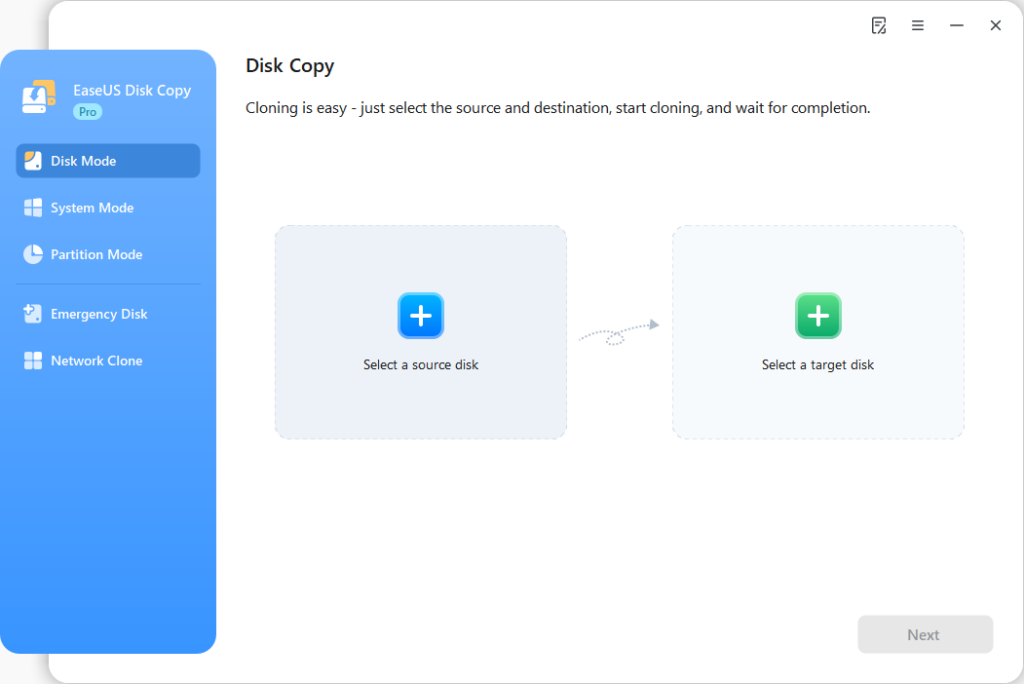
Why it works well for USB cloning:
- Supports cloning USB of various sizes and brands
- Ensures the cloned disk is bootable, even when migrating a full Windows system
- Automatically adjusts partition size when cloning to a larger SSD or external USB drive
Best for:
- Cloning a USB to a larger USB
- Migrating Windows from an old HDD to a new branded SSD (e.g., Samsung, Crucial, WD)
- Users who want a simple, low-risk disk cloning process
Key features:
- Sector-by-sector disk cloning to copy all data, including system files and hidden partitions
- Supports different disk sizes (clone to equal or larger drives with resize options)
- WinPE bootable media for cloning when the original system won’t boot
- Compatible with HDDs, SATA SSDs, NVMe SSDs, and external USB hard drives
| Pros ✅ | Cons ❌ |
| Beginner-friendly interface with step-by-step cloning workflow High success rate in USB-based SSD upgrade scenarios Works across different disk types, sizes, and brands | Windows-only No free version |
Pricing: Starts at $19.90/month, with yearly and lifetime plans available
Tool 2. Clonezilla
Clonezilla is the most powerful free USB clone tool and disk cloning software across different systems (HDD backups, SSD upgrades, and multi-disk setups)—but it’s clearly designed for advanced users.

Why it works well for USB cloning:
- Runs from a bootable USB, allowing you to clone disks without entering the operating system
- Supports cloning HDDs and SSDs of different sizes, including external USB drives
- Ideal for cloning multiple disks at once via USB or network (mass deployment)
Best for:
- Advanced users cloning SSDs or HDDs via bootable USB flash drive
- IT professionals deploying the same system image to multiple computers
- Users who want a completely free disk cloning solution
Key features:
- Sector-level disk cloning to ensure full system and data integrity
- Supports a wide range of file systems (NTFS, EXT, XFS, Btrfs) across Windows, Linux, and macOS (Intel-based)
- Works with different disk types and sizes, including SATA HDDs, SSDs, and NVMe drives connected via USB adapters
- Bootable live USB environment for offline cloning and system recovery
| Pros ✅ | Cons ❌ |
| Completely free and open-source Extremely powerful for large-scale disk cloning tasks High compatibility across systems, disk types, and storage brands | No graphical interface (command-line style workflow) Steep learning curve for beginners Requires manual setup for bootable USB and cloning steps |
Price: 100% free and open source
Tool 3. Macrium Reflect
From my long-term use (over 8 years of SSD upgrades, HDD replacements, and system migrations via USB adapters), Macrium Reflect is one of the most reliable disk cloning tools when you need a stable, bootable result—especially for Windows systems.

Why it works well for USB cloning:
- Supports cloning HDDs and SSDs via USB-to-SATA/NVMe adapters or external USB drives
- Ensures bootable disk cloning with proper EFI/MBR structure and partition alignment
- Uses intelligent sector cloning to reduce time when migrating large disks via USB
Best for:
- Users who want a highly reliable SSD upgrade via USB
- Cloning large HDDs to SSDs (especially different disk sizes)
- Avoiding boot issues after system migration
Key features:
- Intelligent sector-level cloning (copies only used data, improving speed on large drives)
- Rapid Delta Clone (RDC) for faster re-cloning by copying only changed blocks
- Automatic partition alignment for SSD performance and longevity
- WinPE bootable rescue media for cloning and recovery when Windows won’t start
- Supports common file systems (NTFS, FAT, exFAT) and works with SATA HDDs, SSDs, and NVMe drives
| Pros ✅ | Cons ❌ |
| Extremely high success rate for bootable USB-based cloning Faster cloning for large disks compared to sector-by-sector methods Strong compatibility across different disk types, sizes, and brands | More complex interface compared to beginner tools Windows-only Advanced features may feel overwhelming for first-time users |
Pricing: 30-day free trial available; paid plans start at ~$49.99/year
Tool 4. Acronis True Image
From my testing across multiple setups (cloning HDDs to SSDs via USB, creating full disk backups on external drives, and restoring systems to new hardware), Acronis True Image stands out as a powerful all-in-one USB clone tool that combines disk cloning, backup, and security.
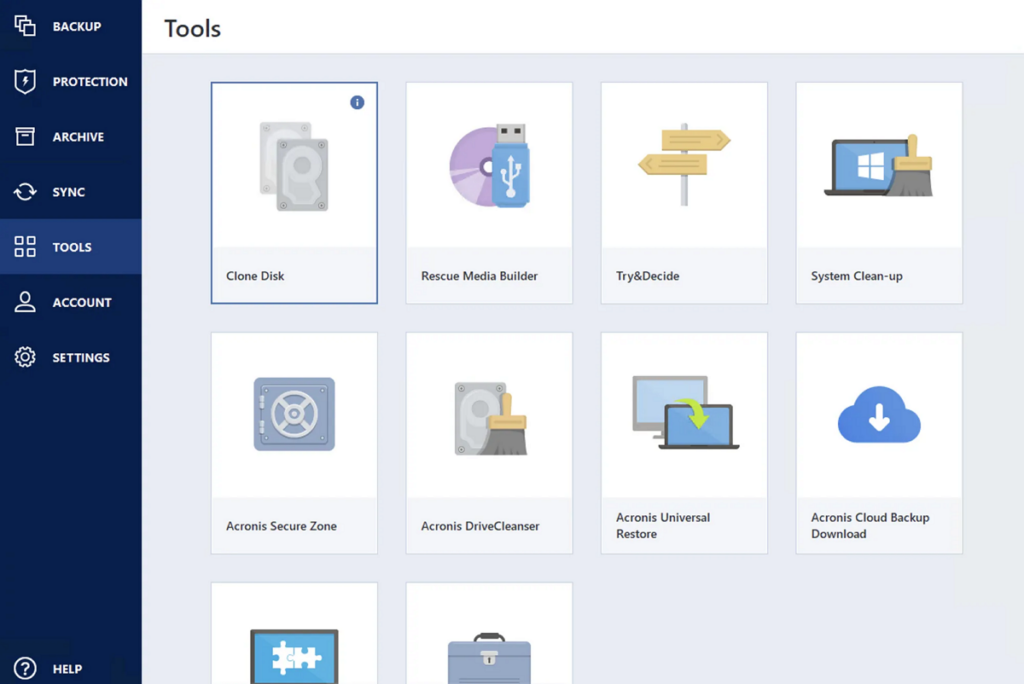
Why it works well for USB cloning:
- Supports cloning disks via USB adapters and external USB hard drives
- Creates bootable cloned disks or full disk images for flexible recovery
- Works well when migrating data between different disk sizes, SSDs, and HDDs
Best for:
- Users who want both disk cloning and long-term backup protection
- Cloning and backing up large HDDs or SSDs to external USB drives
- Migrating systems across different hardware with added security
Key features:
- Full disk imaging and cloning (supports HDDs, SATA SSDs, NVMe SSDs, and external USB drives)
- Incremental and differential backups to reduce storage size and improve efficiency
- Bootable rescue media for restoring systems when the OS fails to start
- Cloud backup integration for offsite protection
- Built-in ransomware protection and real-time threat monitoring
| Pros ✅ | Cons ❌ |
| Combines disk cloning, backup, and cybersecurity in one tool Reliable for cloning and restoring across different disk sizes and devices Strong support for external USB drives and long-term data protection | Subscription-based pricing (higher cost than basic cloning tools) Heavier resource usage due to background services Feature-rich interface may be overwhelming for beginners |
Pricing: Starts from $49.99/year, with higher-tier plans offering cloud storage
How to Clone a USB Flash Drive(Step-by-Step)
To keep things simple and beginner-friendly, the following steps use a typical disk-cloning tool – EaseUS Disk Copy – with a guided interface, ideal for cloning a USB without the technical complexity.
Step 1. Insert both USB drives
Connect the source USB (the one you want to clone) and the target USB (the empty one).
Step 2. Launch the USB cloning tool
Open the software and choose Disk Mode.
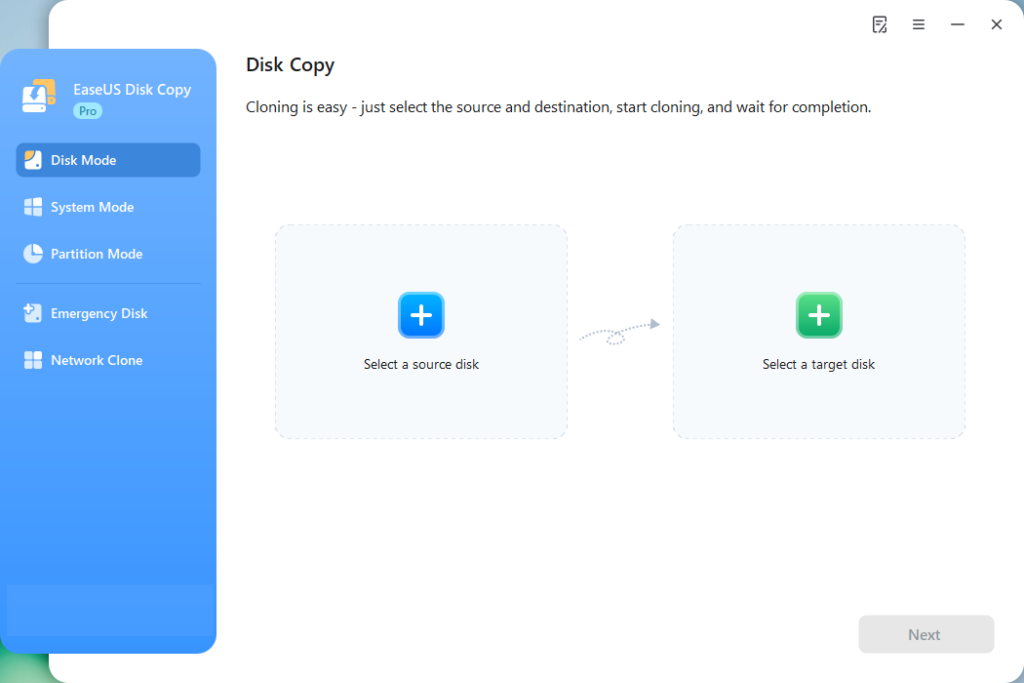
Step 3. Select the source USB drive
Choose the USB flash drive you want to copy.
Step 4. Select the target USB drive
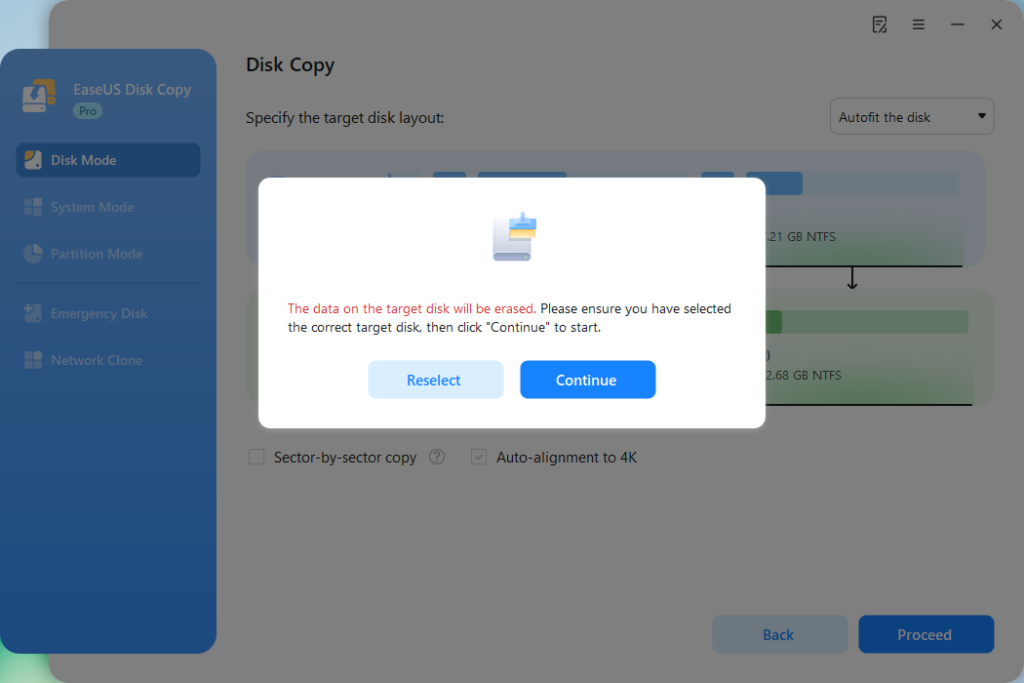
Select the destination USB. All data on this USB will be erased.
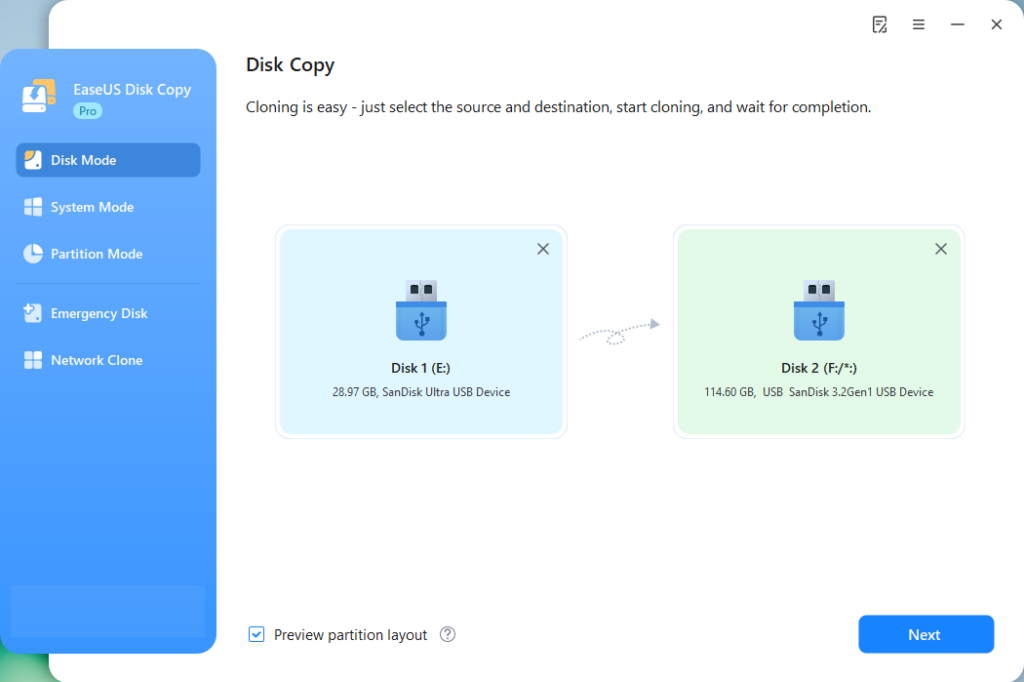
Step 5. Adjust USB layout (optional but recommended)
Preview the USB layout and resize partitions if needed, especially when cloning to a larger USB. This helps optimize storage usage and performance.
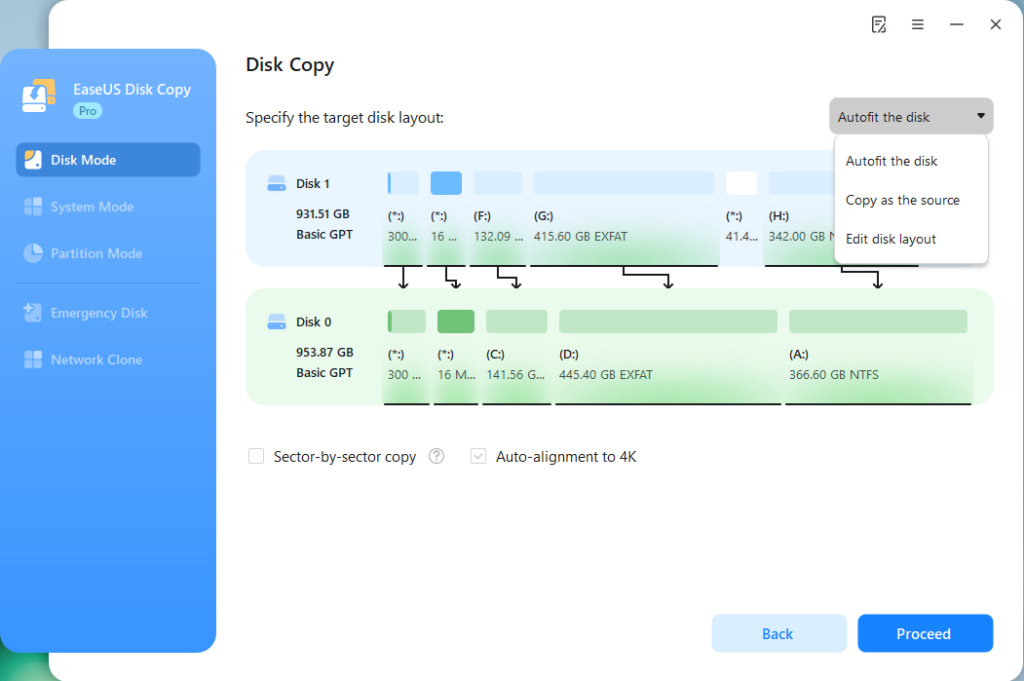
Step 6. Start cloning
Click “Proceed” to begin cloning the USB drive. The tool will copy all data, including hidden files and boot sectors.
Step 7. Test the cloned USB
After cloning, plug the new USB into your PC and check if files are intact—or boot from it if it’s a bootable USB.
USB Clone vs File Copy – What’s the Difference?
| Method | Difference |
|---|---|
| USB clone | Copies the entire USB drive, including hidden files, partitions, and boot data |
| File copy | Only copies visible files and folders |
USB cloning ensures the new USB works exactly like the original, especially for bootable drives. File copy, on the other hand, may miss system files or fail to create a bootable USB.
Common Problems When Cloning USB and How to Fix
Cloning a USB is convenient, but it can come with a few common issues, especially for first-time users. Here’s how to fix them.
| Problems | Possible causes | Fixes |
| ❌ Cloned USB won’t boot | Boot partition not cloned correctly MBR/GPT mismatch Boot order not set properly | Enter BIOS/UEFI and set the cloned YSB drive as the first boot device Make sure you cloned the entire disk (not just a partition) Use a tool that supports bootable disk cloning If needed, run startup repair using bootable media |
| ❌ USB drive not detected | Faulty USB port or adapter Drive not initialized Driver issues | Try a different USB port or adapter (USB-to-SATA/NVMe) Open Disk Management and check if the disk appears as “unallocated” Initialize the disk before cloning (if new) Update USB/storage drivers |
| ❌ Clone failed or too slow | Bad sectors on the source USB Slow USB interface (USB 2.0 vs USB 3.0/3.2) Disk size mismatch or insufficient space | Enable “skip bad sectors” if available Use a faster USB port or adapter (USB 3.0 or higher recommended) Close background programs during cloning Ensure the target USB is large enough |